How to Choose a Countertop Installer in Asheville
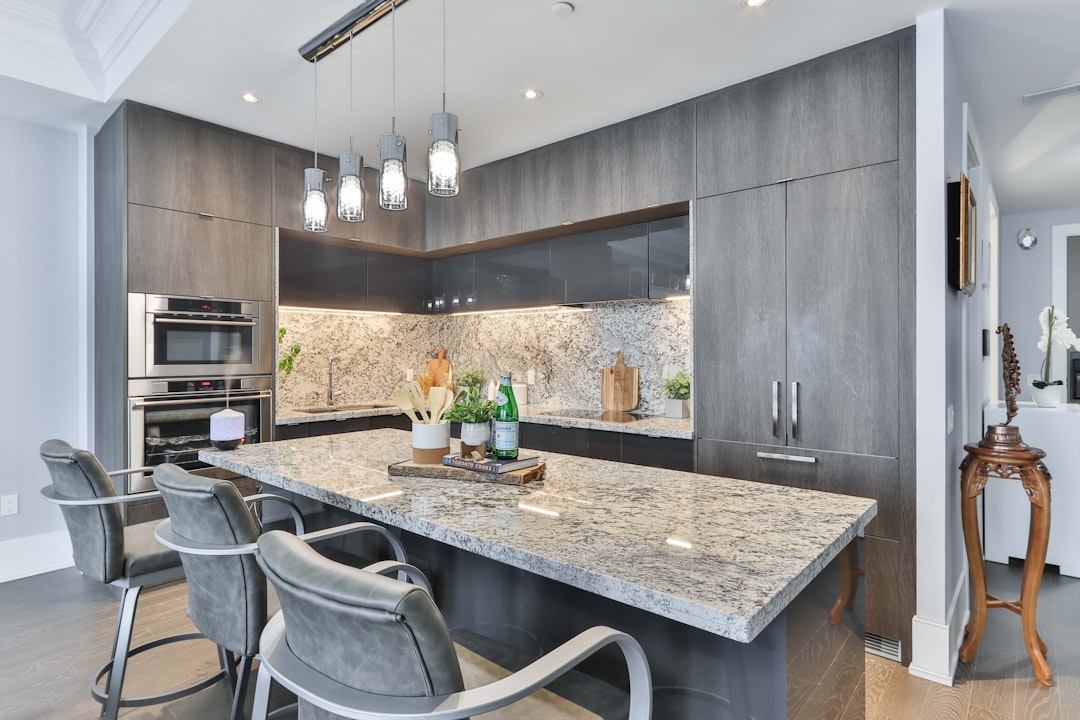
Replacing countertops is one of those projects where the material gets all the attention and the installer gets almost none. People will spend three weekends comparing granite to quartzite and then hire the first crew that answers the phone. That is backwards. In Asheville, the fabricator and installer you choose will have more effect on how your counters look in five years than the slab itself. A mediocre slab installed well outlasts a beautiful slab installed badly, every time.
This guide covers what actually separates a good installation outfit from a risky one in the Asheville market, what questions to ask before you sign, and the warning signs that show up in quotes, showrooms, and site visits.
Why the Installer Matters More Than the Slab
Stone does not fail on its own very often. What fails is everything around it: seams that open up, overhangs that were never supported, sinks that drop because the adhesive was rushed, and caulk lines that crack because the cabinets were never leveled first. Nearly every countertop complaint you hear from homeowners in Buncombe County traces back to workmanship, not material.
Western North Carolina adds a few local wrinkles. Many homes in Asheville, West Asheville, and the older neighborhoods off Merrimon Avenue have floors and cabinet runs that are nowhere near level. Crawlspace humidity moves wood cabinetry seasonally. A crew that templates and installs the same way they would in a new-build subdivision will leave you with visible gaps by the following spring. Experienced local installers shim, scribe, and account for movement because they have seen what these houses do.
Fabricator, Installer, or Both
The first thing to sort out is who is actually doing the work. In this market you will run into three arrangements:
- Fabricator-installers. One company templates, cuts the stone in their own shop, and installs it with their own crew. This is the arrangement you want when possible, because one company owns the result from start to finish.
- Retailers who subcontract. A showroom sells you the slab, then hands the job to whichever subcontract crew is available. Quality varies week to week, and when something goes wrong, the retailer and the sub tend to point at each other.
- General contractors who broker it. Common during larger remodels. Fine if the GC uses a consistent fabricator, risky if they shop every job to the lowest bidder.
Ask directly: who templates, who cuts, and who installs? If the answer involves three different companies, ask who warranties the seams. The pause before the answer tells you a lot.
Questions That Sort the Field Quickly
You do not need twenty questions. Six will do most of the work:
- How do you template? Laser templating is the standard now. Crews still using strips of luan can do fine work, but laser measurement catches out-of-square walls in old Asheville houses far more reliably.
- Where will my seams be? A good installer decides seam placement during templating and tells you before cutting. Seams over dishwashers are a red flag because there is no support below.
- What is your overhang policy? Anything past about 10 inches in quartz or 12 in granite needs brackets or corbels. If the estimator waves this off, walk.
- Who levels the cabinets? Countertop crews should verify level and either shim or stop. Crews that install over unlevel boxes are building a crack into your kitchen.
- What does the warranty cover, in writing? Seam separation, sink mounting, and chips at the edges within the first year should be covered. Verbal assurances do not count.
- Can I see a job from three or more years ago? Anyone can show you last month’s install. Aged work shows whether seams held and caulk lines survived a few humidity cycles.
Reading the Quote Itself
Quotes in this market tend to fall between roughly 45 and 120 dollars per square foot installed depending on material, and the structure of the quote tells you as much as the number. Look for these line items spelled out:
| Line item | Why it matters |
|---|---|
| Templating | Should be listed, even if bundled. Its absence suggests measurements from your sketch. |
| Edge profile | Eased, bullnose, ogee: each has a different cost. Vague quotes hide upcharges here. |
| Sink cutout and mounting | Undermount sinks need mechanical support, not adhesive alone. |
| Tear-out and disposal | Old counters do not remove themselves. Unlisted usually means a surprise charge. |
| Plumbing disconnect and reconnect | Many stone crews do not touch plumbing. Know who does. |
| Seam count | Fewer seams cost more per slab but look better. The quote should say how many. |
A quote that is one number on one line is not a quote, it is an invitation to a dispute.
Local Reputation Signals That Actually Mean Something
Online reviews are a starting point, but in a market this size you can do better. The most reliable people to ask are the ones who see installers’ work after the crew leaves: cabinet shops in Arden and Fletcher, kitchen designers, and plumbers who reconnect sinks all over the county. They know which crews’ undermount sinks stay put and which ones they get called back to.
Homeowners searching for countertop installation Asheville NC will find plenty of options with polished websites, and the marketing tells you almost nothing. Time in business under the same name matters more. So does a physical shop you can visit. A fabricator with a slab yard and a saw has roots; a crew working out of a trailer with a borrowed wet saw may be gone before your warranty question comes up.
One more local check: ask where they source stone. Established outfits here buy from regional distributors in Asheville, Greenville, or Charlotte and will name them without hesitation. Evasiveness about sourcing sometimes means remnant stock of unknown origin, which is fine for a laundry room and a gamble for a kitchen.
Red Flags Worth Walking Away From
Some warning signs justify ending the conversation regardless of price:
- Cash-only pricing or reluctance to write a contract. In North Carolina, jobs over 40,000 dollars require a licensed general contractor, and even below that threshold, a written scope protects both sides.
- Templating from your measurements. Reputable installers never cut stone off homeowner numbers. If they are willing to, they plan to blame you when it does not fit.
- Full payment up front. A deposit of a third to a half at templating is normal. One hundred percent before fabrication is not.
- No mention of support for cooktop spans or sink rails. These are basic structural details, not extras.
- Pressure to decide today. Slab inventory moves, but legitimate shops will hold a slab with a deposit. Manufactured urgency is a sales tactic, not a supply condition.
Timing Your Project Around the Asheville Market
Demand here swings with the remodeling season. Spring and early summer are the busiest, and lead times from templating to install can stretch to three or four weeks. Late fall and January tend to be slower, and some fabricators will sharpen their pricing to keep crews busy. If your project is not urgent, scheduling the install for the slower months can save real money and get you the A crew instead of the overflow crew.
Whatever the season, the sequence matters more than the speed. Cabinets must be fully installed and level before templating, appliances should be on site so cutouts match reality, and sinks and faucets need to be in hand before the crew arrives. Most installation-day disasters are really scheduling failures that happened two weeks earlier.
The Bottom Line
Choose the installer with the same care you gave the stone. Verify who fabricates, demand seam placement and support details in writing, check aged work instead of fresh photos, and treat a vague quote as a finished conversation. The good outfits in this area answer every question above without flinching, because they have answered them a hundred times. The ones who flinch are telling you something too. Listen to it before the saw starts, not after.
Need help in Asheville?
Call (828) 690-5980