10selectionCall (828) 690-5980

Countertop Installation in Asheville, NC

Priced-Right Countertops for Asheville Kitchens

Quartz, granite, and marble tops measured, fabricated, and installed to fit, with a clear written price and flexible payment plans before any work starts.

  • Clear written pricing
  • Flexible payment plans
  • Free in-home measure
Countertop installation in Asheville, NC

The Price Sheet

Clear breakdowns of what countertops cost and the payment options that make them affordable.

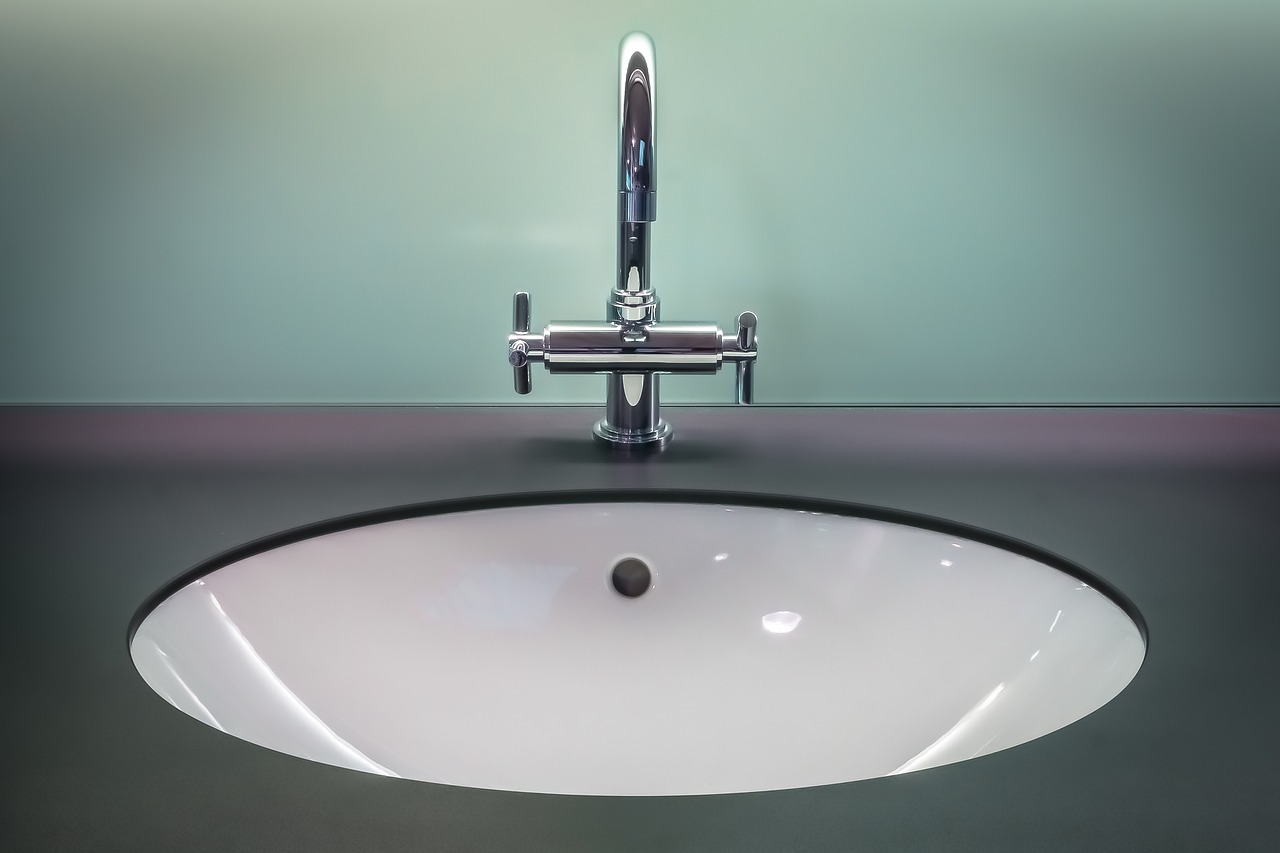
Undermount basin set into a polished stone bathroom vanity top in an Asheville bathroom

What Bathroom Countertops Asheville Vanities Actually Require
Most people plan a bathroom counter the way they plan a kitchen counter, just smaller. That instinct is what leads to the two most common regrets in a vanity project: paying slab prices for a top that could have come from a remnant, and picking a sink style after the stone has already been cut. A vanity is a different problem with different constraints, and treating it as a miniature kitchen is how those constraints get missed.

The good news is that the smaller footprint gives you room to be ambitious. Stone that would blow the budget across ten feet of kitchen run becomes affordable across five feet of vanity. That is why the bathroom countertops Asheville homeowners install are often in nicer material than the kitchen in the same house, and why the decision order matters more than the material shortlist.
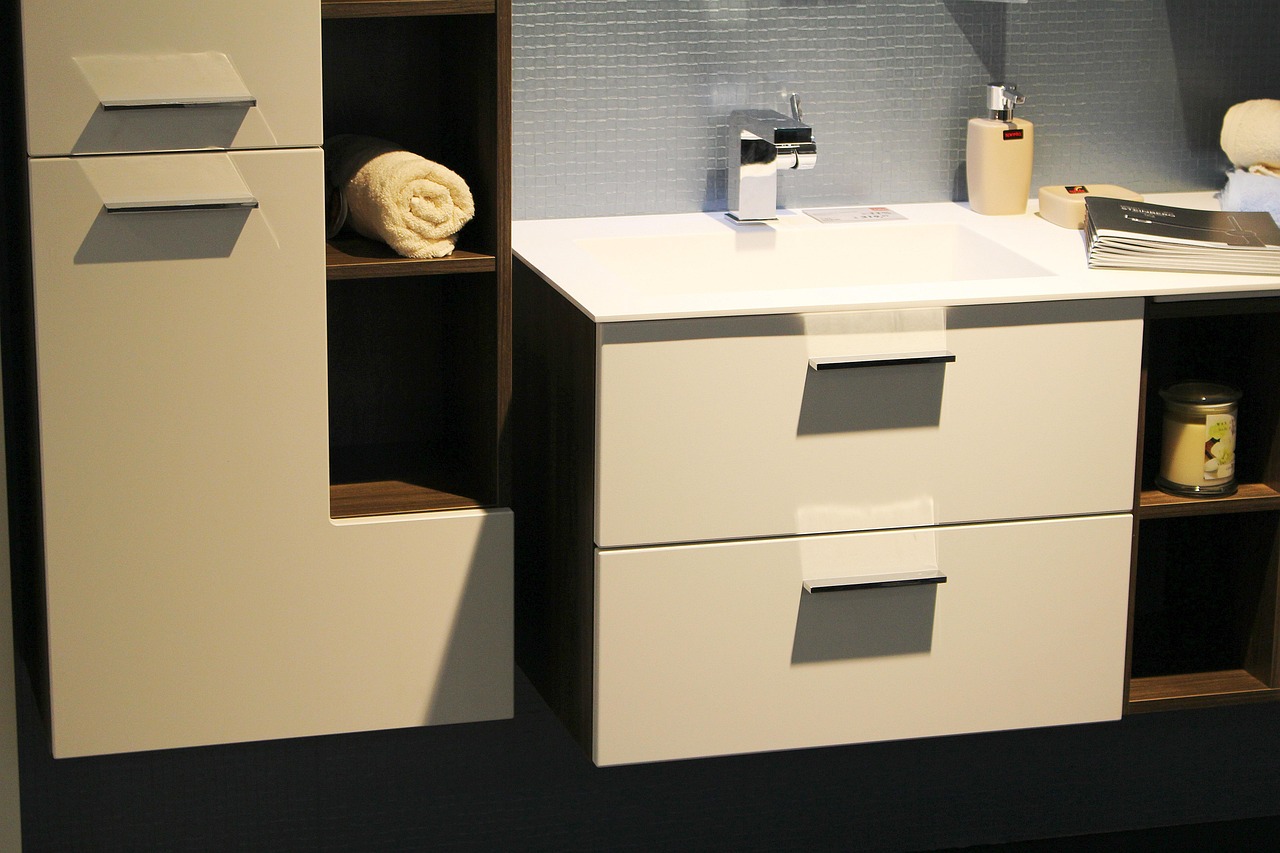
Floating vanity with an integrated solid surface top and undermount basin

Baths are gentler on stone than kitchens

The moisture assumption gets this backwards. People hear “bathroom” and think water damage, then rule out marble and limestone on instinct. In practice a bathroom is the easier environment for natural stone, because the two things that actually destroy a countertop are heat and impact, and a vanity sees almost none of either.

Nobody sets a 400 degree roasting pan on a vanity. Nobody drops a cast iron skillet on one. What a vanity gets is standing water around the faucet base, and a rotating cast of cosmetics, toothpaste, hairspray, and cleaning products. That shifts the risk from cracking and thermal shock to etching and staining, which is a slower and more forgiving category of damage.

Etching is the one to understand, because it gets confused with staining constantly. A stain is something soaking into the stone and darkening it. An etch is an acid eating a dull spot into a polished surface, so the mark is texture rather than color. On calcite based stone (marble, limestone, travertine, onyx) an acidic product will leave a dull patch. In a kitchen that means lemon juice and vinegar. In a bath it means toilet bowl cleaner, certain toners, and anything with glycolic or salicylic acid in it.

That is a real consideration, not a disqualifier. A vanity is small enough to wipe down daily, and honed finishes hide etching far better than polished ones because there is less gloss to interrupt. Plenty of primary baths across Buncombe County run honed marble for exactly this reason.

The sink decision comes before the stone decision

This is the sequencing error worth fixing. Fabricators cut the sink opening during fabrication, not during installation, so the sink has to be chosen, and usually physically on hand, before the top is cut. Changing your mind afterwards means a new top.

Three options, and they behave differently:

Undermount sinks mount beneath the stone, so the counter edge runs straight into the basin and you can sweep water off the top without catching a rim. It is the default for a reason. It needs a polished inside edge on the cutout, which is part of why the fabrication step exists.

Vessel sinks sit on top of the counter like a bowl. The stone only needs a drain opening and a faucet hole, which makes it the simplest cut, but it changes your ergonomics: the basin adds height, so the vanity cabinet usually has to be shorter to compensate. Retrofitting a vessel onto a standard 36 inch cabinet puts the rim uncomfortably high for most people.

Integrated sinks are formed from the same material as the top, common in quartz and solid surface, with no seam and no rim at all. Easiest to clean, hardest to change later, and not available in natural stone.

If you take one thing from this section: settle the sink first, then choose material, then talk about edges. Doing it in the other order is what generates change orders.

Where remnants change the math

A vanity is typically somewhere between 25 and 60 inches wide and about 22 inches deep. That is small enough to come out of the offcut left over from a kitchen island, which is the single biggest lever on what a bathroom top costs.

Slabs are sold whole. When a fabricator cuts a kitchen out of a slab, the leftover pieces stay in the shop, and those pieces are frequently large enough for a single vanity. Remnant pricing reflects that the material is already paid for, which is how exotic quartzite or a dramatic marble becomes reachable for a powder room.

The tradeoff is selection. You are shopping what happens to be on the rack this month rather than ordering a color from a catalogue, so remnants suit people who are flexible on the exact stone and firm on the budget. For a double vanity the odds drop, because you need a longer continuous piece and matching becomes harder. Single sink vanities and powder rooms are where remnants win most often.

The measurements that catch people out

A few numbers do most of the damage when they get assumed rather than measured.

Standard vanity depth is about 22 inches, against 25 inches for a kitchen counter. Cabinets vary, and older Asheville housing stock varies a lot, so this gets templated rather than guessed.

Faucet drillings are the other one. A single hole faucet, a 4 inch centerset, and an 8 inch widespread all need different holes drilled in different places, and that happens in the shop. Buying the faucet after the top is cut is the same mistake as buying the sink late.

Then there is the backsplash question. A 4 inch stone backsplash matched to the top is the traditional answer and it hides the wall to counter joint, which matters in a house where the walls are not perfectly plumb. The alternative is no stone backsplash at all, running tile or paint straight down to the counter, which looks cleaner and modern but demands a straighter wall and a neat caulk line.

How the materials actually behave in a bath

MaterialBehavior in a bathroomMaintenance
QuartzNon porous, shrugs off cosmetics and toothpaste, consistent colorNo sealing needed
MarbleBright and classic, the spa look, etches with acidic productsWipe acids promptly, seal periodically
GraniteDurable and forgiving, busy patterns hide daily useSeal periodically
QuartziteMarble appearance in a harder natural stoneSeal periodically
SoapstoneNon porous, darkens with oiling, soft and scratchesOil optional, no sealing
PorcelainVery hard, thin profile, UV stableEssentially none

Quartz is the low decision cost answer: engineered, non porous, no sealing, and it does not care what you leave on it overnight. Marble is the high reward answer and its main drawback (etching) is far less punishing in a bath than in a kitchen. Quartzite splits the difference at a price. Soapstone is worth a look for a powder room where the soft, dark, matte character is the point.

Asheville specifics worth knowing

The housing stock here spans a wide range, and it changes the job. Montford and the older neighborhoods near downtown have baths that were carved out of, or added to, houses built long before standardized cabinet sizes, so templating there routinely finds walls out of square and depths that are not 22 inches. That is a templating problem, not a material problem, but it rules out anything prefabricated.

Newer construction south of town, around Arden, Fletcher, Skyland, and Biltmore Park, tends to run standard cabinet widths, which makes remnants easier to match and installs faster. Out toward Weaverville, Woodfin, Black Mountain, and Swannanoa you get a mix of both.

Access is the other local variable. Stone is heavy, a double vanity top is awkward, and a narrow stair in an older home or a steep mountain driveway is a genuine logistics factor. Worth mentioning when you get quoted, because it is easier to plan for than to discover on install day.

Common questions

Is marble a mistake in a bathroom? No, and it is a much better bet here than in a kitchen. Bathrooms see less heat and less acid than a kitchen does. Choose a honed finish over polished if you want etching to stay invisible.

Do I need to seal a bathroom vanity top? Natural stone yes, on a periodic basis. Quartz and porcelain no, they are non porous. The water test tells you when: drip water on the stone, and if it darkens within fifteen minutes or so, it is ready for sealer.

Can I reuse my existing sink? Sometimes, if it is in good condition and the new cutout is templated to it. The fabricator generally wants the actual sink in hand rather than a model number, because tolerances between production runs are not always identical.

How long does a vanity top take? Fabrication typically runs shorter than a kitchen because there is less to cut, but the sequence is the same: measure, select, template, fabricate, install. The template step cannot start until the cabinet is in place and level.

The short version

Settle the sink style first, ask about remnants before you assume a budget, and do not let the kitchen rulebook talk you out of the stone you actually want. A vanity is small enough to be the place you spend on material rather than the place you economize.
Read the full article
Installer checking a stone countertop seam during an Asheville kitchen installation

How to Choose a Countertop Installer in Asheville

Replacing countertops is one of those projects where the material gets all the attention and the installer gets almost none. People will spend three weekends comparing granite to quartzite and then hire the first crew that answers the phone. That is backwards. In Asheville, the fabricator and installer you choose will have more effect on how your counters look in five years than the slab itself. A mediocre slab installed well outlasts a beautiful slab installed badly, every time.

This guide covers what actually separates a good installation outfit from a risky one in the Asheville market, what questions to ask before you sign, and the warning signs that show up in quotes, showrooms, and site visits.

Why the Installer Matters More Than the Slab

Stone does not fail on its own very often. What fails is everything around it: seams that open up, overhangs that were never supported, sinks that drop because the adhesive was rushed, and caulk lines that crack because the cabinets were never leveled first. Nearly every countertop complaint you hear from homeowners in Buncombe County traces back to workmanship, not material.

Western North Carolina adds a few local wrinkles. Many homes in Asheville, West Asheville, and the older neighborhoods off Merrimon Avenue have floors and cabinet runs that are nowhere near level. Crawlspace humidity moves wood cabinetry seasonally. A crew that templates and installs the same way they would in a new-build subdivision will leave you with visible gaps by the following spring. Experienced local installers shim, scribe, and account for movement because they have seen what these houses do.

Fabricator, Installer, or Both

The first thing to sort out is who is actually doing the work. In this market you will run into three arrangements:

  • Fabricator-installers. One company templates, cuts the stone in their own shop, and installs it with their own crew. This is the arrangement you want when possible, because one company owns the result from start to finish.
  • Retailers who subcontract. A showroom sells you the slab, then hands the job to whichever subcontract crew is available. Quality varies week to week, and when something goes wrong, the retailer and the sub tend to point at each other.
  • General contractors who broker it. Common during larger remodels. Fine if the GC uses a consistent fabricator, risky if they shop every job to the lowest bidder.

Ask directly: who templates, who cuts, and who installs? If the answer involves three different companies, ask who warranties the seams. The pause before the answer tells you a lot.

Questions That Sort the Field Quickly

You do not need twenty questions. Six will do most of the work:

  1. How do you template? Laser templating is the standard now. Crews still using strips of luan can do fine work, but laser measurement catches out-of-square walls in old Asheville houses far more reliably.
  2. Where will my seams be? A good installer decides seam placement during templating and tells you before cutting. Seams over dishwashers are a red flag because there is no support below.
  3. What is your overhang policy? Anything past about 10 inches in quartz or 12 in granite needs brackets or corbels. If the estimator waves this off, walk.
  4. Who levels the cabinets? Countertop crews should verify level and either shim or stop. Crews that install over unlevel boxes are building a crack into your kitchen.
  5. What does the warranty cover, in writing? Seam separation, sink mounting, and chips at the edges within the first year should be covered. Verbal assurances do not count.
  6. Can I see a job from three or more years ago? Anyone can show you last month’s install. Aged work shows whether seams held and caulk lines survived a few humidity cycles.

Reading the Quote Itself

Quotes in this market tend to fall between roughly 45 and 120 dollars per square foot installed depending on material, and the structure of the quote tells you as much as the number. Look for these line items spelled out:

Line itemWhy it matters
TemplatingShould be listed, even if bundled. Its absence suggests measurements from your sketch.
Edge profileEased, bullnose, ogee: each has a different cost. Vague quotes hide upcharges here.
Sink cutout and mountingUndermount sinks need mechanical support, not adhesive alone.
Tear-out and disposalOld counters do not remove themselves. Unlisted usually means a surprise charge.
Plumbing disconnect and reconnectMany stone crews do not touch plumbing. Know who does.
Seam countFewer seams cost more per slab but look better. The quote should say how many.

A quote that is one number on one line is not a quote, it is an invitation to a dispute.

Local Reputation Signals That Actually Mean Something

Online reviews are a starting point, but in a market this size you can do better. The most reliable people to ask are the ones who see installers’ work after the crew leaves: cabinet shops in Arden and Fletcher, kitchen designers, and plumbers who reconnect sinks all over the county. They know which crews’ undermount sinks stay put and which ones they get called back to.

Homeowners searching for countertop installation Asheville NC will find plenty of options with polished websites, and the marketing tells you almost nothing. Time in business under the same name matters more. So does a physical shop you can visit. A fabricator with a slab yard and a saw has roots; a crew working out of a trailer with a borrowed wet saw may be gone before your warranty question comes up.

One more local check: ask where they source stone. Established outfits here buy from regional distributors in Asheville, Greenville, or Charlotte and will name them without hesitation. Evasiveness about sourcing sometimes means remnant stock of unknown origin, which is fine for a laundry room and a gamble for a kitchen.

Red Flags Worth Walking Away From

Some warning signs justify ending the conversation regardless of price:

  • Cash-only pricing or reluctance to write a contract. In North Carolina, jobs over 40,000 dollars require a licensed general contractor, and even below that threshold, a written scope protects both sides.
  • Templating from your measurements. Reputable installers never cut stone off homeowner numbers. If they are willing to, they plan to blame you when it does not fit.
  • Full payment up front. A deposit of a third to a half at templating is normal. One hundred percent before fabrication is not.
  • No mention of support for cooktop spans or sink rails. These are basic structural details, not extras.
  • Pressure to decide today. Slab inventory moves, but legitimate shops will hold a slab with a deposit. Manufactured urgency is a sales tactic, not a supply condition.

Timing Your Project Around the Asheville Market

Demand here swings with the remodeling season. Spring and early summer are the busiest, and lead times from templating to install can stretch to three or four weeks. Late fall and January tend to be slower, and some fabricators will sharpen their pricing to keep crews busy. If your project is not urgent, scheduling the install for the slower months can save real money and get you the A crew instead of the overflow crew.

Whatever the season, the sequence matters more than the speed. Cabinets must be fully installed and level before templating, appliances should be on site so cutouts match reality, and sinks and faucets need to be in hand before the crew arrives. Most installation-day disasters are really scheduling failures that happened two weeks earlier.

The Bottom Line

Choose the installer with the same care you gave the stone. Verify who fabricates, demand seam placement and support details in writing, check aged work instead of fresh photos, and treat a vague quote as a finished conversation. The good outfits in this area answer every question above without flinching, because they have answered them a hundred times. The ones who flinch are telling you something too. Listen to it before the saw starts, not after.

Read the full article
Countertop pricing breakdown for an Asheville kitchen

What New Countertops Really Cost in Asheville

Sticker shock is the number one reason homeowners stall on new counters. The good news is that countertop pricing follows a predictable pattern once you know the parts. Here is how the total comes together for an Asheville kitchen, and how a payment plan can make the surface you actually want affordable this year.

Start With the Material, It Moves the Price Most

The surface you pick is the biggest line on any estimate. Laminate and solid surface run about $20 to $50 per square foot installed, engineered quartz and granite land in the popular middle around $55 to $110, and premium marble or quartzite climb to $90 to $175. For a typical Asheville kitchen with 40 square feet of counter, that spread is the difference between a value job and a showpiece. Our quartz countertops page walks through why quartz is the most requested mid-range option.

Add Labor and Templating

Labor stays fairly steady no matter which stone you choose. It covers the in-home measure, the precise template, fabrication, and a clean install. In older homes off Charlotte St, careful templating for out-of-square walls is where good crews earn their fee, because a tight fit the first time saves you the cost of a redo.

Do Not Forget the Extras

Sink cutouts, edge upgrades, and backsplashes each show up as their own line. An undermount sink cutout, an ogee edge, or a full-height backsplash all add to the total, so ask to see them itemized. On our estimates near the 28803 area, nothing is bundled into a vague number.

Use a Payment Plan for the Upgrade You Want

Many homeowners can afford laminate outright but really want quartz or granite. A payment plan bridges that gap by spreading the balance over comfortable monthly amounts, so you get the durable surface now and budget the rest over time. We show you a sample monthly figure for your square footage before you commit.

Get a Real Measure Before You Budget

The only way to turn these ranges into a firm number is a free in-home measure. It surfaces the real square footage and any surprises before they cost you. Ready to see your number? Contact us or call 10selection at (828) 690-5980 for a free estimate.

Read the full article

10selection provides countertops installation in Asheville, NC, and we lead with the number that matters most to you: the price. We fabricate and install quartz, granite, marble, quartzite, butcher block, solid surface, and laminate, complete with sink cutouts, edge profiles, and matching backsplashes. Every project starts with a free in-home measure so the estimate reflects your real kitchen, not a rough guess. Homeowners across the neighborhoods off Patton Ave and the 28803 ZIP call us because the quote we write down is the quote they pay.

Cost should never be a mystery, so we break the total into plain parts you can read. Material is the biggest line, labor and templating come next, then any edge upgrade, undermount sink cutout, or full-height backsplash you add. We hand you that breakdown in writing before we cut a single slab. There are no surprise fees waiting at the end, and there is no pressure to pick the priciest stone in the showroom. If laminate fits your budget this year, we install it as carefully as we install a marble island.

Because a new counter is a real investment, we offer payment plans that spread the cost over comfortable monthly amounts. Many Asheville homeowners want quartz or granite but would rather not pay the full total in one check, and a financing option lets them upgrade now and budget the balance over time. We walk you through what a typical monthly figure looks like for your square footage, so you can compare a $2,400 laminate job against a mid-range quartz kitchen with open eyes. The choice stays yours from the first measure to the final polish.

Value is more than a low sticker, and that is where our work earns its keep. We template for out-of-square walls, seal natural stone properly, and finish every seam so the job looks built in, not bolted on. A counter installed clean the first time saves you the cost of a redo, and a surface matched to how you cook lasts for decades on Charlotte St or anywhere else in Buncombe County. We are a licensed and insured local crew, and a real person answers the phone at (828) 690-5980.

  • Written price up frontYou get an itemized estimate before we start, and the number does not change on you.
  • Payment plans availableSpread a quartz or granite kitchen over monthly amounts that fit your budget.
  • Every budget welcomeFrom value laminate to premium quartzite, we install each surface with the same care.
  • Value that lastsPrecise templating and proper sealing mean the job holds up for years, not seasons.
  • How Material Choice Moves the Price

    The surface you pick is the single biggest factor in your total. Here is what each option brings and where it lands on cost.

    01Quartz Countertops
    Engineered quartz resists stains and scratches, never needs sealing, and sits in the popular middle of the price range. A durable choice for busy Asheville kitchens.
    02Granite and Natural Stone
    Granite gives you one-of-a-kind movement and color at a mid-range cost. We help you pick a slab and seal it so it lasts for decades.
    03Marble and Quartzite
    Premium natural stone for a standout island or baking counter. It carries the highest per-square-foot price, and we seal it to protect the finish.
    04Laminate and Solid Surface
    The most budget-friendly path to a fresh kitchen. Laminate and seamless solid surface come in many looks and keep the total low.
    05Butcher Block
    Warm wood tops that bring a softer feel to a kitchen or island at a moderate price, oiled and finished to hold up to daily use.
    06Sinks, Edges, and Backsplashes
    Undermount and drop-in sink cutouts, edge profiles from eased to ogee, and matching backsplashes, each priced as a clear line on your estimate.

    Towns Included in Our Coverage

    We install countertops throughout Asheville and the surrounding Buncombe County communities, from the city ZIP codes to the nearby mountain towns.

    • Asheville, NC (28801, 28803, 28805)
    • Arden, NC
    • Fletcher, NC
    • Weaverville, NC
    • Black Mountain, NC
    • Fairview, NC
    • Candler, NC

    Not sure if we reach your street? Call (828) 690-5980 and we will confirm your area.

    A Clear Breakdown of Countertop Pricing

    Countertop pricing depends mostly on the material and the size of your kitchen. Laminate is the most economical, engineered quartz and granite sit in the popular middle, and premium marble and quartzite run higher. Sink cutouts, edge upgrades, and backsplashes add to the total, and each shows up as its own line. The ranges below are typical for the Asheville area, and we put the firm number in writing after a free measure. Ask about payment plans if you would rather spread the balance over monthly amounts.

    Laminate and Solid Surface$20 to $50 per sq ft installed
    • Most budget friendly
    • Many colors and patterns
    Get quote
    Marble or Quartzite$90 to $175 per sq ft installed
    • Premium natural stone
    • Sealed for lasting protection
    Get quote

    Money Questions Buyers Ask Most

    How much do new countertops cost in Asheville?
    It depends on the material and square footage. Laminate runs about $20 to $50 per square foot installed, quartz and granite land in the $55 to $110 range, and marble or quartzite run higher. We give a firm written estimate after a free in-home measure.
    Do you offer financing or payment plans?
    Yes. Many homeowners want quartz or granite but would rather not pay the full total at once, so we offer payment plans that spread the balance over comfortable monthly amounts. We show you a sample monthly figure for your square footage before you decide.
    What is the cheapest countertop option?
    Laminate is the most economical surface, usually $20 to $50 per square foot installed, and it comes in patterns that mimic stone. Solid surface is the next step up. We install both with the same care we give a marble island.
    Why does material change the price so much?
    Material is the single biggest line on the estimate. A laminate slab costs a fraction of a premium quartzite one, and natural stone also takes more careful handling and sealing. Labor and templating stay fairly steady, so the surface you choose moves the total the most.
    Are there any hidden fees?
    No. We hand you an itemized estimate before any work begins, with material, labor, sink cutouts, edge upgrades, and backsplashes each listed as its own line. The number we write down on Patton Ave is the number you pay.
    Is a written estimate really free?
    Yes. We come to your home, measure the real space, help you compare materials and edges, and leave a clear written quote at no cost and with no pressure to buy the priciest option.
    Do you serve my area?
    We cover Asheville ZIP codes including 28801, 28803, and 28805, plus Arden, Fletcher, Weaverville, Black Mountain, Fairview, and Candler. Call (828) 690-5980 if your town is not listed and we will let you know.
    Quartz or granite: which is the better value?
    Both sit in the same mid-range price band. Quartz never needs sealing, so it costs less to maintain over the years. Granite is natural stone with unique character and needs occasional sealing. We help you weigh both for your kitchen and budget.
    How long does a countertop project take?
    We template first, then return to install once the material is fabricated, usually a short time later. The install itself is typically finished in a day, so your kitchen is back in use quickly.

    Get a No-Obligation Quote

    Ready for new counters without the guesswork on cost? We will measure your space, walk you through materials and edges, lay out payment plan options, and give you a clear written estimate with no pressure. Most Asheville installs are quick once the material is ready, and we handle everything from tearing out the old tops to the final polish. Call the number below to book your free measure.